Obsidian
Real vs Fake Obsidian
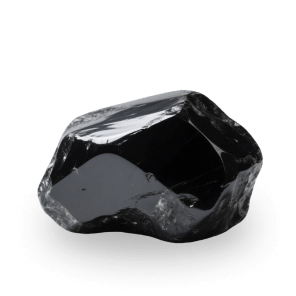
Obsidian is a natural volcanic glass formed from rapidly cooled lava. It is typically black or dark gray but may show sheen, banding, or inclusions like 'snowflake' or 'rainbow' patterns. Because of its popularity in carvings and jewelry, black glass and plastic are often sold as obsidian.
Color and Appearance
Real
Usually deep black, with a natural glassy sheen. May show subtle patterns like rainbow sheen, golden sheen, or white 'snowflake' patches.
Fake
Often pure black with no internal variation. Some are overly shiny or have a plastic-like appearance.
Luster
Real
Vitreous (glass-like), but not overly reflective. Surface may show fine conchoidal curves from flaking or shaping.
Fake
Plastic looks dull or waxy. Polished glass may appear overly reflective or too perfect.
Transparency
Real
Usually opaque, but may be slightly translucent at edges when held to strong light.
Fake
Some glass fakes show uneven translucency or unexpected colors at edges.
Fracture Pattern
Real
Breaks with conchoidal (shell-like) fractures. Edges are sharp and curved.
Fake
Glass breaks similarly but may look smoother. Plastic breaks unevenly or bends.
Hardness
Real
About 5 to 5.5 on Mohs scale. Can be scratched by a steel blade but resists fingernails.
Fake
Plastic scratches easily. Glass has similar hardness but may wear differently over time.
Weight and Feel
Real
Feels cool and solid. Moderate weight for size.
Fake
Plastic feels warm and light. Glass may feel similar in weight but lacks the same tactile density.
Bubbles and Inclusions
Real
May contain tiny gas bubbles, but usually scattered and subtle.
Fake
Glass may have large or perfectly round bubbles. Plastic may show flow lines or mold marks.
Conclusion
Natural obsidian is a volcanic glass with subtle but consistent features like sheen, conchoidal fracture, and natural opacity. Fakes often look too perfect or feel too light. Close visual inspection, touch, and fracture characteristics are reliable clues to authenticity.