Turquoise
Real vs Fake Turquoise
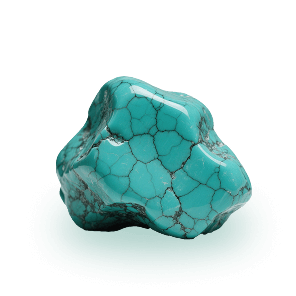
Turquoise is a classic opaque gemstone prized for its blue to blue-green color and often intricate veining (matrix). Due to its softness and popularity, turquoise is frequently faked using dyed stones, reconstituted material, plastic, or colored resin.
Color
Real
Shows sky blue, robin's egg blue, or greenish-blue tones. Natural color often varies slightly across the surface.
Fake
Often shows flat, overly bright, or uniformly saturated blue. Some fakes appear neon or artificial.
Surface Texture
Real
Has a waxy to dull luster. Surface may show tiny pores or natural pits.
Fake
Plastic or resin is overly smooth or glassy. Dyed stones may appear sealed or coated.
Matrix Pattern
Real
Matrix (veining) appears irregular and embedded within the stone. Often black, brown, or golden-brown.
Fake
Matrix may be printed, painted, or too evenly spaced. Some are artificially added for effect.
Inclusions
Real
May show natural cracks or fine veins under magnification. Often uneven in density and appearance.
Fake
Dyed howlite or magnesite often has spiderweb-like matrix that is suspiciously regular.
Reaction to Solvents
Real
Stable in alcohol or acetone. Color remains unchanged.
Fake
Dyed stones may bleed or fade. Coatings may dissolve or become sticky.
Hardness
Real
Relatively soft (Mohs 5–6). Surface may show minor wear over time.
Fake
Plastic or resin is softer and may dent. Dyed quartz is harder and lacks turquoise's chalky texture.
Weight and Feel
Real
Feels cool and solid in the hand. Often slightly heavier than imitations.
Fake
Plastic fakes feel warm and unnaturally light.
Conclusion
Authentic turquoise has a natural, subtly varied color and distinctive matrix pattern. Most fakes reveal themselves through overly bright color, glossy surface, or unnatural consistency. Simple solvent tests and close visual inspection can often confirm the truth.